
Our Take on the Outcome at COP30
By: Florence Ogola Fuchs
November 25, 2025
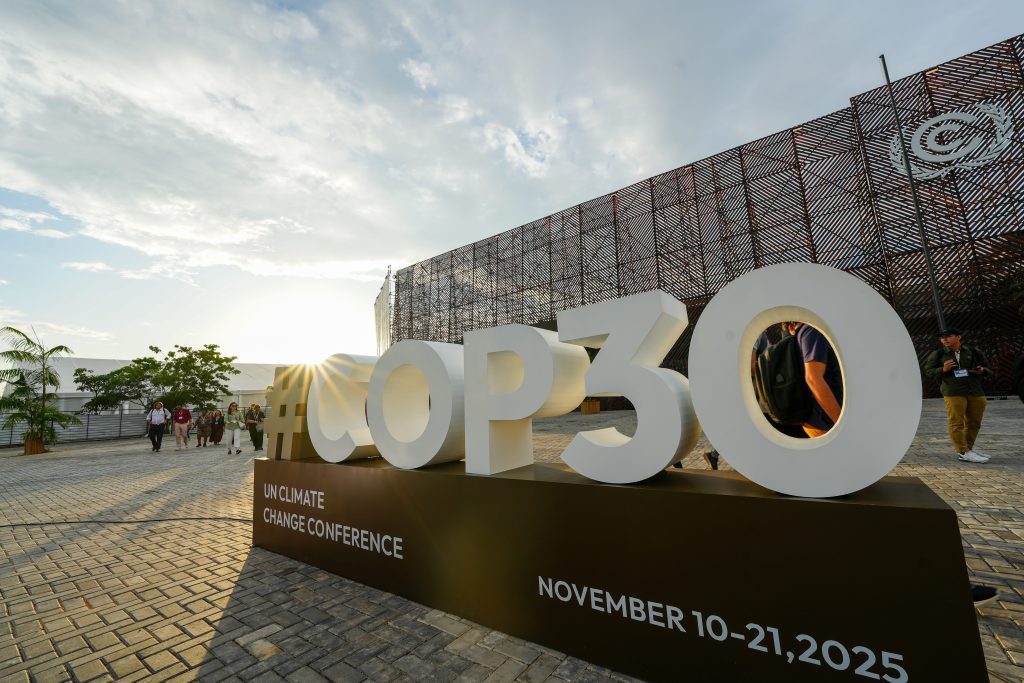
Widely described as the “implementation and action COP,” COP30 in Belém, Brazil, was convened at a moment of overlapping global crises. Escalating climate impacts collided with geopolitical instability, from the war in Ukraine and the conflict in Gaza to armed clashes in Sudan. The summit, therefore, carried a dual burden, advancing urgent climate implementation while navigating a fractured international landscape. To top it up, the glaring absence of the US at the conference came with its own disadvantages.
The summit came a decade after the Paris Agreement pledge to limit global temperature rise to 1.5°C above pre-industrial levels. Yet, for the first time this year, that threshold was breached, signalling that the cost of delay is mounting and the window for decisive action is closing fast. At the heart of the agenda was operationalizing the phase-out of fossil fuels, building on the landmark commitment made at COP28 in Dubai. Adaptation was also a critical discussion following the call from developing countries facing adverse impacts of climate change, to triple the adaptation fund.
Equally critical was the debate on forest preservation. Hosting the summit in Belém, against the backdrop of the Amazon rainforest, underscored the symbolic and strategic importance of safeguarding the world’s largest tropical forest. The Amazon is both a global carbon sink and a frontline of deforestation pressures, making its protection central to any credible climate roadmap.
Lobbyist Influence at COPs Could Undermine their Legitimacy
At COP30, the presence of lobbyists grew significantly over the years, compared to previous climate summits. Over 300 representatives from industrial agriculture attended, with 77 traveling under official party badges. This marked a 14% increase compared to COP29 in Baku. For instance, Brazil’s top meat companies JBS, MBRF, and Minerva sent 13 delegates, while Bayer, a multinational pesticide corporation, sponsored 19. The scale of participation underscores the growing institutionalization of corporate interests within climate negotiations.
Industrial agriculture remains a major driver of deforestation, land degradation, and greenhouse gas emissions, accounting for roughly 14% of global totals. According to FAO, it ranks just behind energy and transport as one of the largest emitters. Scientists warn that meeting the Paris Agreement targets will require “radical changes” in how food is produced and consumed, changes that run counter to the interests of many of these lobbyists.
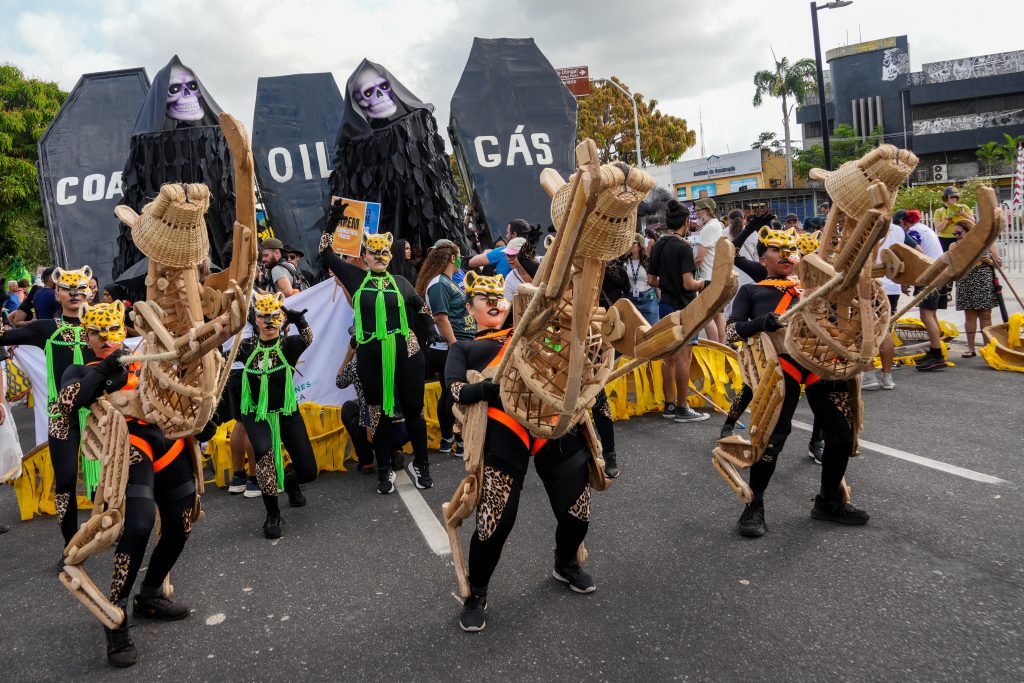
The presence of fossil fuel lobbyists was even more pronounced. A staggering 2,200 representatives attended COP30 in Belém, meaning one in every 25 registered participants was tied to fossil fuel interests. This level of representation raises strategic concerns about the integrity of negotiations, as industries most responsible for climate change continue to dominate the conversation.
The strategic challenge is clear: unless the role of lobbyists is curtailed, climate summits risk becoming arenas where vested interests dilute ambition, stall progress, and undermine trust. Safeguarding the legitimacy of COPs will require stronger guardrails to ensure that the voices of civil society, Indigenous Peoples, and vulnerable nations are not drowned out by corporate influence.
Adaptation Financing – Ambition without Delivery
Africa continues to bear the brunt of climate change impacts despite contributing the least to global greenhouse gas emissions. This inequity has fueled a strategic push to elevate adaptation as a standalone priority, distinct from mitigation, ensuring that vulnerable nations are not sidelined in global climate negotiations.
The Africa Group of Negotiators – representing 54 member states – has been pivotal in advancing the continent’s interests across multilateral and bilateral platforms. Central to their agenda is the demand to triple adaptation funding, a move designed to equip Africa and other developing countries with the resources needed to withstand escalating climate shocks.
Developing nations are also pressing for a measurable global adaptation goal, one that aligns financial flows with the scale of impacts. While wealthy countries pledged approximately $120 billion annually toward adaptation – part of the broader $300 billion climate finance target, the delivery timeline was extended from 2030 to 2035. This delay undermines urgency and risks widening the resilience gap.
Compounding the challenge, much of the pledged finance is tied to the New Collective Quantified Goal (NCQG) and is structured predominantly as loans rather than grants. This financing model risks deepening debt burdens for vulnerable economies, raising critical questions about fairness, sustainability, and the credibility of climate finance commitments. Here are the recent pledges to the fund.
Fossil Fuel Transition – No Deal
A global agreement to transition away from oil, gas, and coal extraction proved elusive at this COP. Earlier in the week, President Lula emphasized that while no single formula can define the transition, the demonstration of commitment by all nations is indispensable. He further called on wealthy countries to support Africa’s renewable energy transition, stressing that support must go beyond financial pledges to include technology transfer and knowledge sharing.
“Wealthy countries can support Africa’s energy transition, the production of biofuels, and the expansion of wind and solar power. This is not only about providing limited financial resources, but also about transferring technology and knowledge.”
In a final push to secure consensus, Brazil introduced a roadmap for fossil fuel phase-out. However, the proposal faced strong resistance from oil-producing nations led by Saudi Arabia, Russia, and India. This setback came despite mounting frustration from Latin American and European countries, who voiced disappointment at the absence of a deal.
For many developing nations, the debate revealed deeper fault lines. Some argued for the right to exploit their fossil fuel reserves, citing the historical precedent of industrialized nations that built prosperity on hydrocarbons.
What Next?
After a weeklong stalemate between Australia and Türkiye over hosting rights for COP31, an agreement was reached that the two nations will co-host the summit under modalities set by the UNFCCC. In other news, Africa will host the climate summit in 2027, with Ethiopia set to host COP32 in its capital, Addis Ababa.
The continued presence of lobbyist organizations representing industries that profit from environmental harm risks undermining both progress and legitimacy of future COPs. Most of these lobbyists come with a profit-making mentality and bring their business interests into the negotiations. Civil society and activists caution that unless this influence is curtailed, COPs may lose credibility as platforms for genuine climate action.
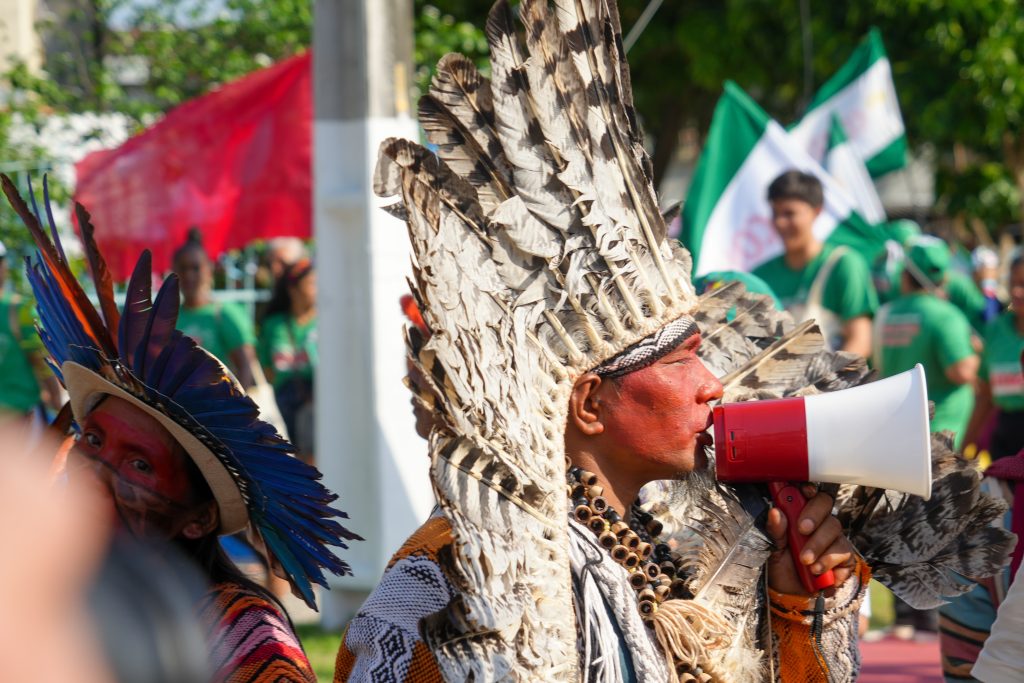
Equally, participation by local and Indigenous Peoples who have for years been the guardians of nature, biodiversity, and cultural knowledge, remains non-negotiable. At COP30, Brazil’s Indigenous Peoples staged protests demanding inclusion, highlighting the paradox of exclusion even when negotiations occur in their own territories. Activists from developing countries also struggled with access, as high costs and limited badges constrained civic space, raising questions about equity, inclusion, and representation.
Multilateralism was clearly tested at COP30. Despite prior commitments at COP28, no consensus emerged on a roadmap to phase out fossil fuels or halt deforestation. However, there were notable advances: Brazil launched the Tropical Forest Finance Facility (TFFF), securing $6 billion in pledges, while France and EU partners committed $2.5 billion to conserve the Congo Basin, the world’s second-largest tropical forest.
On adaptation, the agreement to triple funding was welcomed following years of advocacy and push from the developing countries, especially Africa. However, the push on the timeline from 2030 to 2035 is disappointing.
Encouragingly, the final text carried strong language on human rights, affirming the rights of Indigenous Peoples, local communities, peoples of African descent, persons with disabilities, women, and youth. This recognition is a move in the right direction marking a strategic shift toward embedding justice and inclusion at the heart of climate action.
Ultimately, COP30 reinforced a critical truth: international cooperation is indispensable, but promises alone are insufficient. Without accelerated implementation, the summits risk irrelevance as climate impacts intensify. The world has already breached the 1.5°C threshold above pre-industrial levels. This is a clear indication that the cost of inaction will only grow. At the current state of affairs, we risk a future where adaptation becomes impossible.
Tags : Climate Change, Fossil Fuels, Adaptation Finance, COP30, Brazil, Amazon
About Us
At Pitchnest, we’re more than just communications experts, we’re storytellers, strategists, and passionate advocates for a healthier planet. Our team brings together diverse voices and deep experience in campaigns, communications, and climate action, united by a shared belief: that powerful stories can move people, shift policies, and spark real change. Our strength lies in connecting the dots between science and emotion, policy and people. We help amplify your voice, build trust with stakeholders, and create campaigns that not only inform but also inspire.